
Introduction
In recent years, restaurant technology news has become a vital indicator of how the industry is evolving in the face of innovation, changing consumer behavior, and operational challenges. Technology is no longer an optional addition; it is the engine powering efficiency, customer satisfaction, and business growth. From artificial intelligence to robotics, digital ordering systems to predictive analytics, the modern restaurant landscape is being reshaped by tools that improve both back-of-house operations and front-of-house experiences.
Restaurants now rely on technology not just to operate, but to gain a competitive edge. Whether it is automating food preparation, optimizing labor management, improving inventory forecasting, or enhancing the guest experience, the latest restaurant technology news reflects a sector in which innovation drives results and determines survival.
The Evolution of Restaurant Technology

The journey of restaurant technology began decades ago with basic point-of-sale systems and computerized billing. As digital platforms developed, the focus expanded to include online ordering, loyalty programs, and operational management software. Today, restaurant technology news highlights a shift toward comprehensive platforms that integrate multiple aspects of restaurant operations, including AI-driven analytics, robotic kitchen systems, contactless ordering, and mobile engagement solutions.
The shift from standalone tools to integrated systems represents a transformation in thinking. No longer is technology seen as a supplement; it is now essential to customer engagement, revenue growth, and operational efficiency. Modern restaurants invest heavily in digital ecosystems that allow them to manage ordering, inventory, staff, analytics, and customer relations from a unified interface.
This transformation is reflected across the industry, from small local cafes adopting tablet-based ordering systems to global chains employing fully automated kitchens and AI-driven forecasting. The common thread in all these advancements is the strategic use of technology to reduce costs, improve quality, and deliver superior guest experiences.
Artificial Intelligence in Restaurants

One of the most significant developments in restaurant technology news is the integration of artificial intelligence (AI) across operations. AI is no longer a futuristic concept but a practical tool that supports decision-making, predicts customer behavior, and enhances operational efficiency.
AI for Operational Efficiency
AI is increasingly being used to monitor inventory in real time, predict demand, and streamline procurement. By analyzing historical sales, local events, and even weather patterns, AI can forecast ingredient needs and reduce food waste. This not only saves costs but also ensures that restaurants are prepared for fluctuations in customer demand.
Labor management has also been transformed by AI. Scheduling algorithms now predict staff requirements based on expected traffic, optimizing shift allocation while minimizing unnecessary labor costs. These AI-driven systems help restaurants maintain efficiency without compromising service quality.
AI for Customer Experience
On the guest side, AI is personalizing the dining experience. By analyzing past orders, preferences, and customer behavior, AI can offer tailored recommendations and targeted promotions. Voice-activated ordering and chatbots allow guests to place orders seamlessly, increasing convenience and reducing wait times.
Restaurants leveraging AI in guest engagement have reported higher average order values and stronger loyalty. Customers respond positively to personalized suggestions, special offers, and efficient service—all made possible by intelligent algorithms that continuously learn and adapt.
Robotics and Automation
Alongside AI, robotics represents a tangible advancement in restaurant technology news. Robotic systems are increasingly being deployed in kitchens to perform repetitive or physically demanding tasks. From cooking and frying to beverage preparation and food assembly, robotics enhances efficiency, reduces labor dependency, and ensures consistency in quality.
Automated kitchen platforms allow restaurants to scale operations while maintaining precision. For example, robotic fryers, pizza makers, and beverage dispensers can operate autonomously, freeing staff to focus on higher-value tasks, such as customer service and quality control.
The benefits of robotics go beyond efficiency. By standardizing operations, restaurants can maintain consistent taste, portion sizes, and presentation—factors that are critical to building brand reputation and customer trust. Robotics also addresses labor shortages, one of the most pressing challenges in the industry, especially for fast-casual and quick-service restaurants.
Contactless and Digital Ordering

Another focal point in restaurant technology news is the rise of contactless ordering and payment systems. Mobile apps, QR codes, and digital menus allow customers to browse, order, and pay without interacting physically with staff. This trend, initially accelerated by public health considerations, has become a permanent feature of modern dining.
Digital ordering platforms do more than improve convenience. They provide restaurants with real-time data on orders, customer behavior, and sales trends. This data can inform menu optimization, staffing decisions, and marketing campaigns. Cloud-based order management systems consolidate orders from multiple channels, including mobile apps, websites, and third-party delivery platforms, reducing errors and improving operational efficiency.
Contactless dining is particularly transformative for delivery and takeout operations. Centralized cloud kitchens utilize digital platforms to handle high volumes efficiently, minimizing overhead costs while maximizing reach. These innovations illustrate how restaurant technology news emphasizes convenience, efficiency, and adaptability in the modern dining experience.
Integration of Technology Systems
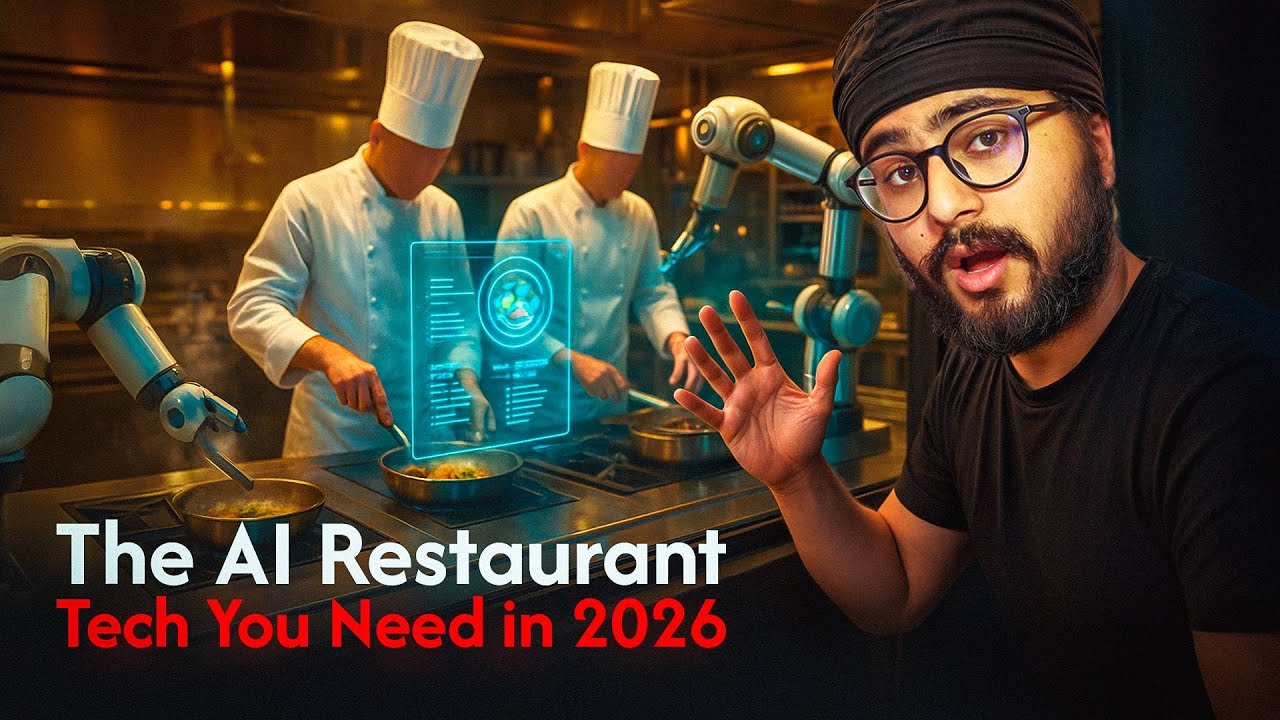
The latest restaurant technology news also highlights a trend toward system integration. Rather than using multiple standalone tools, restaurants are increasingly adopting unified platforms that handle everything from POS and inventory management to customer relationship management and loyalty programs.
This integration ensures smooth operations, reduces technical conflicts, and provides actionable insights across all business areas. Data collected from AI systems, digital ordering platforms, and robotics can be consolidated and analyzed to optimize operations and enhance the guest experience. Integrated systems also allow for scalable growth, as new features and technologies can be added without disrupting existing workflows.
Emerging Trends in 2026
Looking ahead, restaurant technology news points to several emerging trends shaping the industry for the next year and beyond.
Advanced Self-Service Kiosks
Self-ordering kiosks are evolving to include voice recognition, facial recognition, and AI-based personalization. These systems allow guests to place orders quickly and accurately, reducing wait times and improving accessibility.
IoT-Enabled Smart Kitchens
The Internet of Things (IoT) is playing an increasing role in restaurant operations. Smart appliances, temperature sensors, and automated monitoring systems optimize energy usage, track inventory, and maintain consistent quality, contributing to both efficiency and sustainability.
Augmented Reality for Training
Augmented reality (AR) is emerging as a powerful training tool. AR applications provide visual guidance and interactive instructions, reducing training time for new employees and improving skill retention in high-turnover environments.
3D Food Printing
3D food printing is an experimental but exciting aspect of restaurant technology news. It allows chefs to create highly customized, intricate dishes and enhance the dining experience through unique presentation and personalization.
Tables Summarizing Key Insights
Table 1: Adoption of Major Restaurant Technologies (2025)
| Technology Category | Adoption Rate (%) | Primary Benefit |
|---|---|---|
| AI Inventory Management | 60% | Reduce waste, optimize stock |
| Cloud-Based POS Systems | 70% | Unified operations, real-time analytics |
| Contactless Ordering | 80% | Convenience, faster service |
| Robotics & Automation | 35% | Consistency, labor optimization |
| Digital Loyalty & CRM Tools | 55% | Personalized engagement, repeat business |
Table 2: Impact of AI on Restaurant Operations
| Operational Area | Improvement Reported | Key Benefit |
|---|---|---|
| Guest response time | Faster by 48% | Improved service efficiency |
| Decision-making speed | Improved by 47% | Enhanced operational agility |
| Operational costs | Reduced by 39% | Lower overhead |
| Staff efficiency | Improved by 37% | Optimized labor deployment |
Table 3: Emerging Restaurant Technology Trends for 2026
| Trend | Expected Impact | Description |
|---|---|---|
| Advanced Self-Service Kiosks | Reduced wait times, personalization | Voice and facial recognition integration |
| IoT Smart Kitchens | Energy savings, waste reduction | Sensors and automated monitoring systems |
| Augmented Reality Training | Faster onboarding, better retention | Interactive, visual staff training |
| 3D Food Printing | Enhanced dining experience | Custom, intricate food presentations |
Conclusion
The current landscape of restaurant technology news shows an industry in transformation. AI is driving operational efficiency and personalization, robotics is redefining kitchen workflows, digital ordering systems are improving convenience and accuracy, and integrated platforms are unifying operations to create seamless business ecosystems.
As technology adoption continues to accelerate, restaurants that embrace these tools will gain a significant competitive advantage. Operational efficiency, guest satisfaction, and sustainable growth increasingly depend on how well restaurants leverage the latest innovations. The future of dining is not just about food—it is about the intelligent application of technology to deliver superior experiences, streamline operations, and thrive in an increasingly digital world.
The continued coverage of restaurant technology news will be essential for operators, investors, and innovators seeking to understand the tools, trends, and strategies shaping the next generation of dining experiences.
Read More:- Latest Technology News April 2025: AI, 10G Broadband, and Innovation

