
Introduction
The digital revolution has transformed the way people shop, creating vast opportunities for entrepreneurs who want to build businesses online. E-commerce has become a global phenomenon, enabling small businesses, startups, and even individuals to reach customers across borders. In this article, we will explore some of the most promising e-commerce business ideas, practical strategies for success, and emerging trends that can guide anyone looking to establish a profitable online store.
The rise of e-commerce is closely linked to changing consumer behavior. Customers increasingly prefer online shopping due to its convenience, variety, and competitive pricing. With platforms like Shopify, WooCommerce, Amazon, and Etsy, launching an online store has never been easier. Entrepreneurs who identify the right niche and implement effective marketing strategies can achieve rapid growth and long-term sustainability.
Why E-Commerce Is a Lucrative Business Choice

E-commerce business ideas are particularly appealing because they allow entrepreneurs to operate with lower overhead costs compared to traditional retail. There is no need for a physical storefront, which reduces expenses on rent, utilities, and in-store staffing. Additionally, e-commerce provides access to a global market, making it possible to sell products to customers in multiple countries without geographic limitations.
One of the main advantages of e-commerce is scalability. Digital platforms allow you to manage inventory, automate sales processes, and reach a large audience through targeted online marketing. This scalability makes it easier to expand operations without significant additional costs. Moreover, data analytics tools provide insights into customer behavior, enabling businesses to optimize their offerings and marketing campaigns for better results.
The flexibility and accessibility of e-commerce also make it ideal for entrepreneurs seeking a side income or those who want to transition from traditional careers to running an online business. The low initial investment required to start an online store makes it possible for almost anyone with a computer and internet connection to launch their own e-commerce venture.
Top E-Commerce Business Ideas for 2026

Identifying a niche market is crucial for e-commerce success. The right niche allows businesses to target specific customer needs and stand out from the competition. Below are some of the most promising e-commerce business ideas that entrepreneurs can explore.
1. Personalized Products
Personalized products are gaining popularity because they offer a unique experience for customers. Items like custom jewelry, monogrammed clothing, engraved gadgets, and personalized home decor appeal to buyers looking for gifts or customized items. Offering personalized options can justify higher price points and build customer loyalty.
2. Subscription Boxes
Subscription boxes remain a powerful e-commerce business idea. They provide recurring revenue and cater to niche interests such as beauty products, gourmet snacks, books, fitness supplements, or hobby kits. Entrepreneurs can create subscription boxes tailored to specific demographics, ensuring consistent engagement and customer retention.
3. Eco-Friendly Products
Sustainability is no longer a trend but a necessity. Selling eco-friendly products such as reusable bags, bamboo utensils, biodegradable packaging, and cruelty-free beauty products attracts environmentally conscious consumers. E-commerce businesses in this sector can differentiate themselves by emphasizing ethical sourcing and sustainable production practices.
4. Dropshipping Stores
Dropshipping remains a popular e-commerce business model for beginners because it requires minimal upfront investment. Entrepreneurs can sell products without holding inventory. The supplier handles storage, packaging, and shipping, while the online store focuses on marketing and customer service. Dropshipping works well for trendy products, gadgets, and fashion accessories.
5. Health and Wellness Products
The health and wellness industry is booming, and e-commerce businesses can tap into this growing market. Products such as dietary supplements, fitness equipment, organic skincare, mental wellness apps, and yoga accessories have strong demand. By providing high-quality, certified products and educational content, businesses can attract a loyal customer base.
Table 1: Popular E-Commerce Business Ideas and Market Trends
| Business Idea | Target Market | Growth Trend (2026) |
|---|---|---|
| Personalized Products | Gift buyers, fashion enthusiasts | High |
| Subscription Boxes | Niche hobbyists, lifestyle consumers | High |
| Eco-Friendly Products | Environmentally conscious shoppers | Medium-High |
| Dropshipping Stores | General consumers | Medium |
| Health & Wellness Products | Fitness enthusiasts, wellness seekers | High |
Strategies to Succeed in E-Commerce
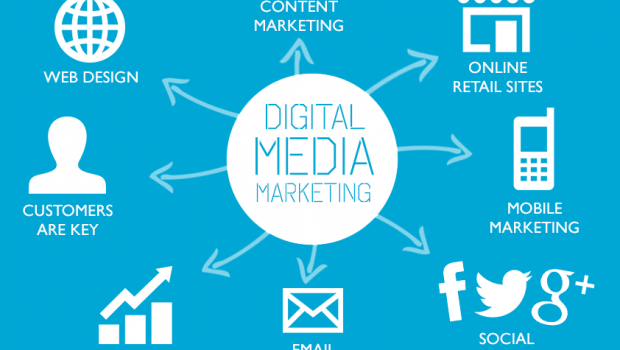
Launching a successful e-commerce business requires more than just an innovative idea. Entrepreneurs must focus on strategic planning, marketing, customer engagement, and technology adoption. Below are critical strategies for thriving in the competitive e-commerce landscape.
1. Choose the Right Platform
The choice of platform significantly impacts the business’s success. Platforms like Shopify, WooCommerce, and BigCommerce provide user-friendly tools, payment integrations, and customizable templates. Marketplaces such as Amazon, Etsy, and eBay allow businesses to leverage existing audiences but come with higher competition and fees. Assessing your product type, budget, and technical skills will help determine the best platform.
2. Optimize for Mobile
Mobile commerce continues to grow, accounting for a significant portion of online sales. Ensuring your e-commerce store is mobile-friendly improves user experience and increases conversion rates. Mobile optimization includes responsive design, fast-loading pages, and simplified checkout processes.
3. Invest in Digital Marketing
Digital marketing is the backbone of e-commerce success. Effective strategies include search engine optimization (SEO), pay-per-click (PPC) advertising, email marketing, and social media campaigns. Influencer partnerships and content marketing can further enhance brand visibility. Targeted campaigns help businesses reach the right audience and increase sales efficiently.
4. Focus on Customer Experience
Customer experience can make or break an e-commerce business. Providing fast shipping, easy returns, and responsive customer support fosters loyalty. Personalization through product recommendations and tailored offers enhances engagement. Collecting feedback and addressing concerns promptly strengthens brand reputation.
5. Leverage Analytics
Data analytics tools enable businesses to track sales trends, customer behavior, and marketing effectiveness. Understanding which products perform best, which marketing channels drive the most traffic, and where customers drop off in the sales funnel allows for informed decisions. Businesses can then optimize inventory, pricing, and promotions for maximum profitability.
Table 2: Key Strategies for E-Commerce Success
| Strategy | Purpose | Benefits |
|---|---|---|
| Platform Selection | Choose the right platform for products | Optimized sales and management |
| Mobile Optimization | Enhance mobile user experience | Higher conversion rates |
| Digital Marketing | Promote products and reach audience | Increased traffic and sales |
| Customer Experience | Provide excellent service | Customer loyalty and retention |
| Data Analytics | Monitor performance and trends | Informed business decisions |
Emerging Trends in E-Commerce
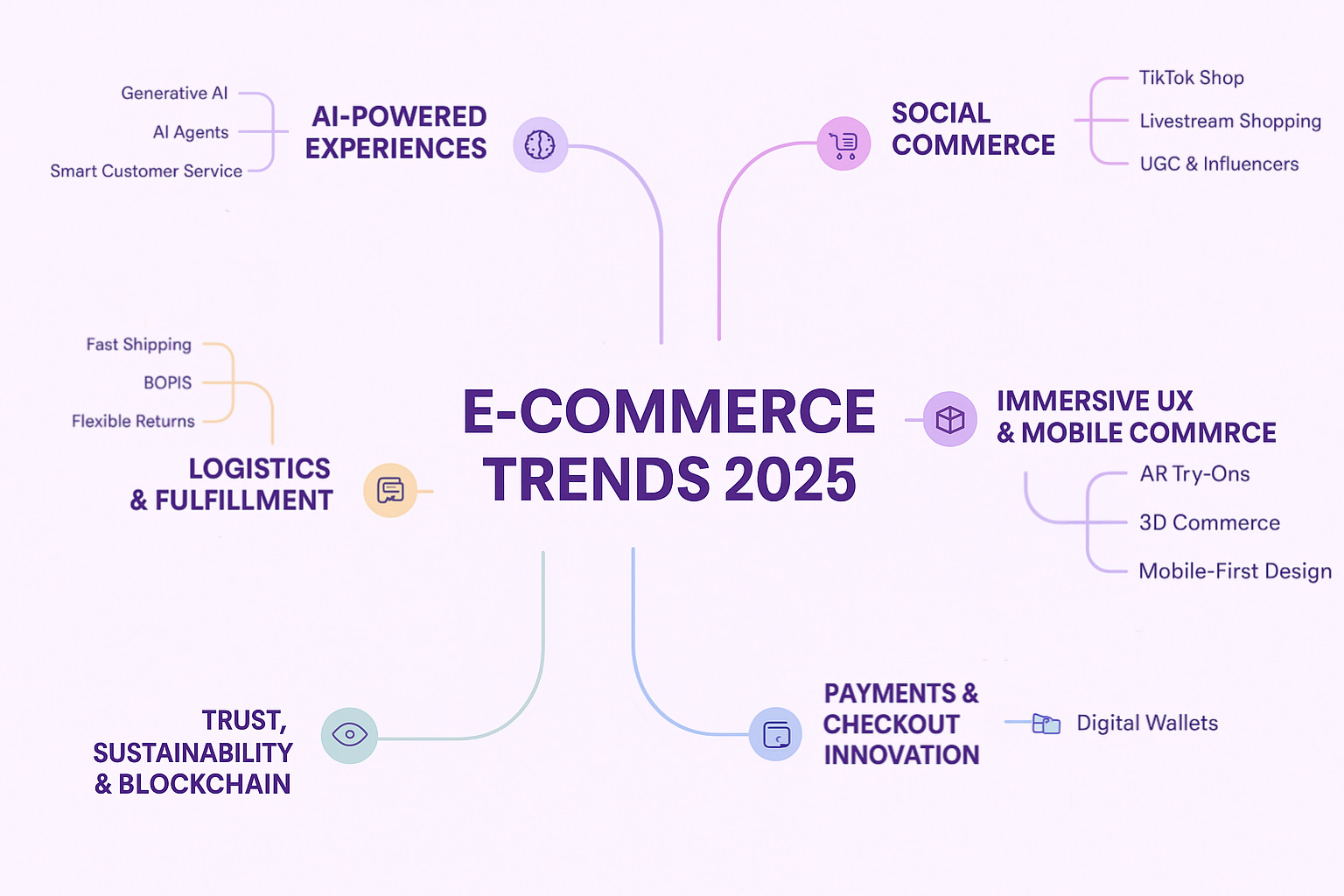
E-commerce continues to evolve rapidly, and entrepreneurs must stay informed about emerging trends to remain competitive. Understanding these trends helps businesses adapt, innovate, and capture new market opportunities.
1. Social Commerce
Social media platforms are becoming e-commerce channels themselves. Instagram, Facebook, TikTok, and Pinterest now allow users to shop directly within the app. Businesses can leverage social commerce by creating engaging content, running targeted ads, and collaborating with influencers. This integration of social interaction and shopping enhances user engagement and conversion rates.
2. Augmented Reality (AR) Shopping
Augmented reality is transforming the online shopping experience. AR allows customers to visualize products in real-time, such as trying on clothes virtually or placing furniture in their home before purchase. Incorporating AR into an e-commerce store improves customer confidence and reduces return rates.
3. Voice Commerce
With the rise of smart speakers and voice assistants, voice commerce is becoming increasingly relevant. Consumers can search for products, place orders, and track deliveries using voice commands. Optimizing product listings for voice search and creating a seamless voice shopping experience can provide a competitive advantage.
4. AI-Powered Personalization
Artificial intelligence enables hyper-personalized shopping experiences. AI algorithms analyze customer behavior to recommend products, offer personalized discounts, and predict purchasing patterns. Implementing AI in an e-commerce store increases engagement, boosts sales, and strengthens customer relationships.
5. Sustainable Practices
Consumers are increasingly aware of sustainability and ethical business practices. Businesses that prioritize eco-friendly packaging, carbon-neutral shipping, and ethical sourcing attract conscious consumers. Sustainability initiatives not only benefit the environment but also enhance brand reputation.
Table 3: E-Commerce Trends for 2026
| Trend | Description | Impact on Business |
|---|---|---|
| Social Commerce | Shopping via social media platforms | Higher engagement and conversions |
| Augmented Reality | Virtual try-on and visualization | Reduced returns, improved UX |
| Voice Commerce | Voice-activated shopping | Easier purchasing, broader reach |
| AI Personalization | Personalized product recommendations | Increased sales and loyalty |
| Sustainability Practices | Eco-friendly business operations | Improved brand reputation |
Conclusion
The world of e-commerce offers endless opportunities for aspiring entrepreneurs. By selecting the right niche, understanding market trends, and implementing effective strategies, businesses can thrive in the digital marketplace. From personalized products to subscription boxes and eco-friendly offerings, the potential for innovation is immense. Success in e-commerce requires a combination of creativity, technological adoption, and a strong focus on customer experience.
Exploring these e-commerce business ideas can help entrepreneurs navigate the competitive landscape and establish a sustainable online presence. Whether starting small or scaling rapidly, the digital marketplace continues to provide a level playing field for innovators willing to adapt and evolve with changing consumer demands.
E-commerce is not just about selling products online; it’s about creating experiences, building communities, and leveraging technology to deliver value. Entrepreneurs who embrace these principles and remain agile in their approach are poised to capitalize on the growing opportunities in the online business world.
Read More:- Small Business Ideas for Women: Profitable Ventures to Start Today

