
Introduction
Moving furniture, transporting building supplies, or hauling bulky items can be stressful without the right vehicle. For homeowners, renters, contractors, and DIY enthusiasts, home depot truck rental has become one of the most convenient and flexible transportation solutions available. Instead of buying or maintaining a truck, people can access reliable vehicles exactly when they need them, saving time, money, and effort.
This comprehensive guide explores everything you need to know—from how the rental system works and available truck sizes to pricing, rules, benefits, and real-world use cases. Whether you are planning a short local move or picking up heavy materials for a renovation project, this article will help you decide if this service fits your needs.
Understanding the Concept of Home Depot Truck Rental
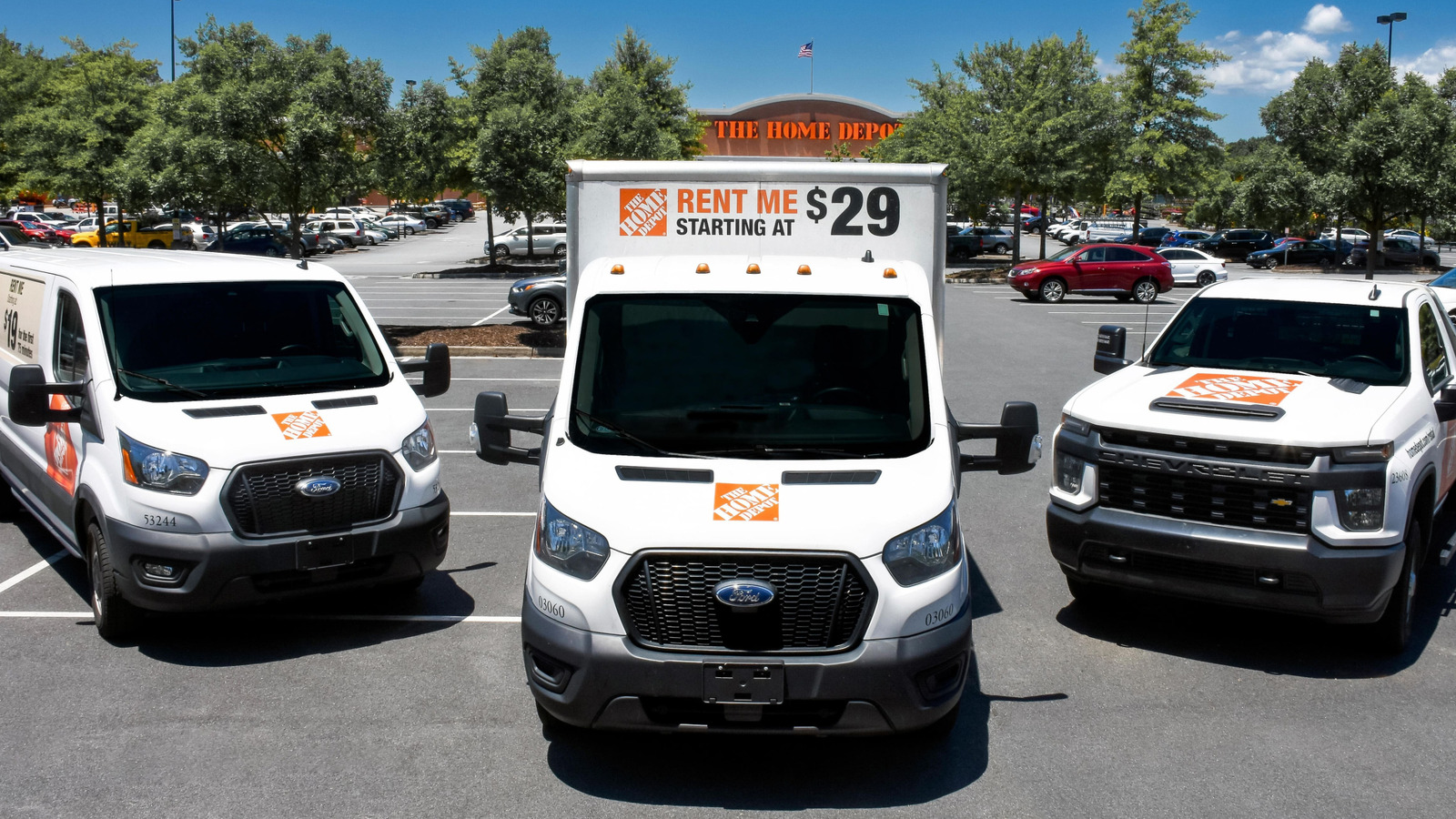
At its core, home depot truck rental is designed to provide short-term access to trucks and vans that can handle large or heavy loads. Unlike traditional car rental services that focus on daily or weekly bookings, this option emphasizes hourly rentals and same-day convenience.
Home improvement projects often require transporting items that simply do not fit in a standard car. Lumber, drywall, appliances, mulch, or tools can be difficult or impossible to move without a truck. By offering purpose-built vehicles directly at store locations, the rental service bridges the gap between purchasing supplies and getting them home safely.
This approach is particularly appealing to customers who only need a truck occasionally. Instead of relying on friends, hiring movers, or paying for delivery fees, renters can control their schedule and handle transportation themselves.
Why Homeowners and DIYers Choose This Option
One of the main reasons people turn to home depot truck rental is convenience. The trucks are typically located right in the store parking lot, meaning you can rent a vehicle immediately after buying materials. This eliminates delays and simplifies logistics.
Another factor is flexibility. Many customers only need a truck for an hour or two, not an entire day. Traditional rental companies may require longer commitments, but this service caters specifically to short trips and local hauling.
Additionally, the vehicles are selected with practical tasks in mind. Flatbeds, cargo vans, and box trucks are designed to make loading and unloading easier, even for people without professional moving experience.
Types of Trucks and Vehicles Available

The rental fleet generally includes multiple vehicle categories to suit different needs. Choosing the right one depends on what you plan to transport, how far you are traveling, and how comfortable you are driving larger vehicles.
Common Vehicle Options
| Vehicle Type | Best For | Typical Load Use |
|---|---|---|
| Cargo Van | Small moves, tools, appliances | Light to medium loads |
| Pickup Truck | Lumber, soil, outdoor supplies | Open-bed hauling |
| Box Truck | Furniture, full room moves | Large, enclosed loads |
Each vehicle type is designed to balance capacity with ease of use. Cargo vans are often favored by beginners because they handle more like a large car, while box trucks provide maximum space for bigger projects.
How the Rental Process Works Step by Step
Renting a truck is generally straightforward, but understanding the process in advance helps avoid surprises. Home depot truck rental typically follows a simple sequence designed for speed and accessibility.
First, customers verify availability at their local store. While some locations allow reservations, many operate on a first-come, first-served basis. Once a vehicle is available, renters provide a valid driver’s license and payment method.
After completing basic paperwork, the staff explains key rules, mileage limits, and return expectations. You then inspect the truck, load your items, and head out. When finished, the vehicle is returned to the same store location, where it is checked back in.
Pricing Structure and What Affects Cost
One of the biggest advantages of home depot truck rental is transparent pricing. Instead of complex daily rates, costs are often based on time blocks, such as hourly or half-day rentals.
Factors that influence total cost include rental duration, mileage, fuel usage, and local taxes. While base rates may seem affordable, renters should account for fuel refills and any extra time beyond the original booking.
Typical Cost Considerations
| Cost Element | Description | Why It Matters |
|---|---|---|
| Time Rate | Hourly or daily fee | Determines base price |
| Mileage | Included or per-mile | Affects longer trips |
| Fuel | Refill before return | Avoids extra charges |
| Deposit | Temporary hold | Ensures vehicle care |
Understanding these elements helps renters budget accurately and avoid unexpected expenses.
Rules, Requirements, and Responsibilities
Every rental comes with guidelines designed to protect both the customer and the equipment. Home depot truck rental generally requires drivers to meet minimum age requirements and hold a valid license.
Vehicles must be returned in clean condition and within the agreed time frame. Late returns may incur additional fees, and damage beyond normal wear can result in repair charges.
Insurance coverage varies, so renters should confirm whether their personal auto insurance applies. Some customers choose additional coverage for peace of mind, especially when transporting heavy or fragile items.
Advantages Compared to Other Truck Rental Options
When comparing home depot truck rental to traditional rental companies, several benefits stand out. The first is accessibility—trucks are available at numerous retail locations rather than separate rental offices.
Second, the hourly model is ideal for short, local tasks. Many people do not need a truck for an entire day, making this approach more economical.
Third, the focus on DIY and home improvement projects means the vehicles are optimized for hauling building materials. This specialization sets the service apart from general-purpose rental fleets.
Ideal Situations for Using This Service
This rental option works best for specific scenarios. Homeowners tackling renovation projects often rely on it to move bulky supplies. Renters moving between apartments appreciate the ability to transport furniture without hiring movers.
Small business owners also benefit when delivering large orders locally. Even gardeners and landscapers find value when hauling soil, plants, or equipment.
In each case, home depot truck rental offers a practical balance between affordability and capability.
Practical Tips for a Smooth Experience
To get the most out of your rental, preparation is key. Planning your route, estimating load size, and organizing items in advance can save time and money.
Here are five practical tips to ensure a successful rental:
-
Measure your items carefully before choosing a vehicle size
-
Bring tie-downs or moving blankets for added protection
-
Plan your trip to minimize mileage and traffic delays
-
Refill fuel before returning the truck
-
Inspect the vehicle thoroughly before and after use
Following these steps helps avoid common pitfalls and ensures a stress-free experience.
Environmental and Community Considerations
Shared vehicle usage can reduce the need for individual truck ownership, which in turn lowers overall environmental impact. Instead of multiple people buying rarely used trucks, a centralized rental fleet maximizes efficiency.
Local availability also supports community projects. Schools, nonprofits, and neighborhood groups often rely on home depot truck rental for event setup, donations, or cleanup efforts.
Common Mistakes to Avoid

Despite its simplicity, renters sometimes make avoidable mistakes. Underestimating load size is one of the most frequent issues, leading to multiple trips or unsafe packing.
Another common error is misjudging time needs. While hourly rentals are flexible, delays in loading or traffic can extend costs. Careful planning reduces this risk.
Lastly, forgetting to refuel before returning the vehicle can result in unnecessary charges. A quick stop at a nearby gas station usually saves money.
Who Should and Should Not Use This Option
This service is ideal for people comfortable driving larger vehicles and handling their own loading. It suits short-distance, same-day tasks best.
However, those planning long-distance moves or multi-day projects may find traditional rental companies more cost-effective. Evaluating your specific needs helps determine whether home depot truck rental is the right choice.
Conclusion
For many people, the answer is yes. Home depot truck rental offers a convenient, flexible, and affordable solution for transporting large items without long-term commitments. Its focus on short-term use, accessible locations, and practical vehicle options makes it especially appealing for homeowners and DIY enthusiasts.
By understanding the process, costs, and responsibilities involved, renters can confidently use this service to complete projects efficiently. Whether you are moving furniture, hauling renovation materials, or tackling a weekend project, this rental option provides the tools needed to get the job done smoothly and on your own schedule.
Read More:- Costco Car Rental Guide: Savings, Benefits, Tips for Smart Travel

