
Introduction
Auto glass plays a vital role in the safety, structure, and comfort of any vehicle. Many drivers assume that a cracked windshield or damaged side window is a minor issue, but the truth is far more serious. Auto glass replacement is not only about restoring visibility—it is about protecting passengers, maintaining vehicle integrity, and ensuring compliance with safety standards. Understanding when and why auto glass replacement is necessary helps vehicle owners make informed decisions that prevent further damage and potential risks.
In modern vehicles, glass is engineered as part of the structural framework. Windshields support roof strength during rollovers and provide a critical backstop for airbag deployment. When damage occurs, delaying auto glass replacement can compromise these safety systems. This guide explores every essential aspect of auto glass replacement, from causes of damage to costs, materials, installation steps, and long-term care.
Understanding Auto Glass and Its Purpose
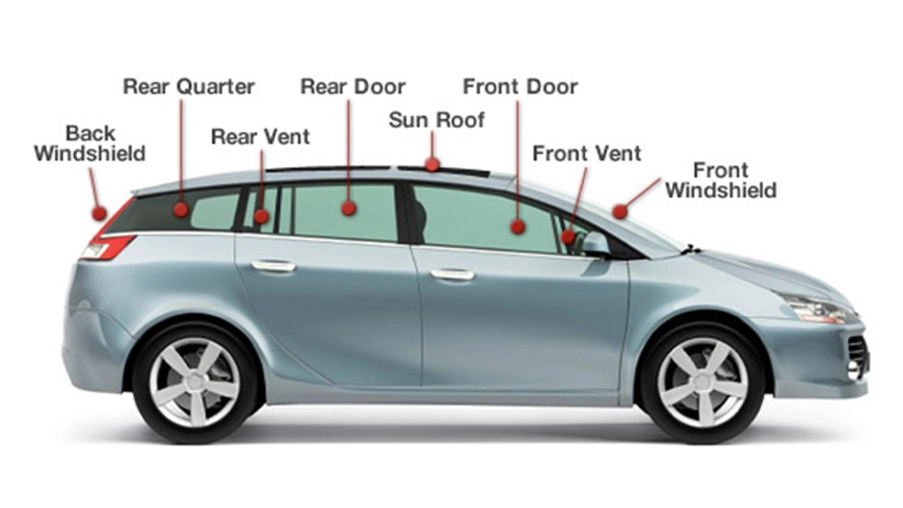
Auto glass is designed differently from standard household glass. It is manufactured to withstand impact, temperature changes, and vibrations caused by driving. There are two main types of auto glass used in vehicles: laminated glass and tempered glass. Each serves a specific function depending on its placement within the vehicle.
Laminated glass is primarily used for windshields. It consists of two layers of glass with a plastic interlayer that prevents shattering upon impact. Tempered glass is used for side and rear windows because it breaks into small, blunt pieces that reduce the risk of serious injury.
When damage exceeds safe limits, auto glass replacement becomes necessary to maintain these protective qualities. Repair is not always possible, especially when cracks spread or visibility is compromised.
Common Causes of Auto Glass Damage
Vehicle glass damage can occur in many everyday situations. Understanding these causes helps drivers take preventive measures and recognize when auto glass replacement is unavoidable.
Road debris such as stones and gravel is one of the most frequent causes. Small impacts may seem harmless but can expand into long cracks due to temperature changes or vehicle vibrations. Extreme weather conditions, including heat and cold, cause glass to expand and contract, worsening existing damage. Accidents and collisions, even minor ones, often result in shattered or weakened glass that requires full replacement.
Vandalism and attempted theft can also damage side or rear windows. In such cases, auto glass replacement restores both security and peace of mind.
Repair vs Replacement: Knowing the Difference

One of the most common questions vehicle owners ask is whether a windshield can be repaired or if full auto glass replacement is required. Repairs are typically limited to small chips or cracks that do not obstruct the driver’s view and have not spread extensively.
Replacement is necessary when damage is larger, located near the edges, or affects the structural integrity of the glass. Modern safety standards emphasize clarity and strength, making auto glass replacement the safest option in many situations.
Why Auto Glass Replacement Is Essential for Safety
Auto glass replacement is directly linked to vehicle safety. A compromised windshield cannot properly support airbag deployment, increasing the risk of injury during an accident. Additionally, a weakened windshield may collapse during a rollover, reducing roof stability.
Clear visibility is another critical factor. Cracks and distortions in glass can create glare, especially during nighttime driving or bright sunlight. Auto glass replacement restores optical clarity, improving reaction time and reducing accident risk.
Properly installed glass also helps maintain the vehicle’s cabin environment by sealing out wind, water, and debris. This contributes to both comfort and long-term interior protection.
The Auto Glass Replacement Process Explained
Understanding the replacement process helps drivers know what to expect and why professional installation is important. Auto glass replacement follows a precise sequence to ensure durability and safety.
Step-by-Step Overview
| Step | Description |
|---|---|
| Inspection | The damaged glass and surrounding frame are carefully examined |
| Removal | The old glass is removed without harming the vehicle structure |
| Preparation | The frame is cleaned and primed for proper adhesion |
| Installation | New glass is installed using specialized adhesives |
| Curing | Adhesives are allowed to set for maximum strength |
Each step plays a crucial role in ensuring the glass bonds securely with the vehicle frame. Skipping or rushing any part can lead to leaks, wind noise, or safety failures.
Types of Glass Used in Auto Glass Replacement
Not all replacement glass is the same. Quality materials determine how well the glass performs over time. Vehicle owners should understand the difference between original equipment equivalent glass and aftermarket options.
Original equipment equivalent glass is designed to match factory specifications in thickness, clarity, and durability. Aftermarket glass can vary in quality depending on manufacturing standards. A proper auto glass replacement uses materials that meet safety regulations and provide long-term reliability.
Cost Factors in Auto Glass Replacement
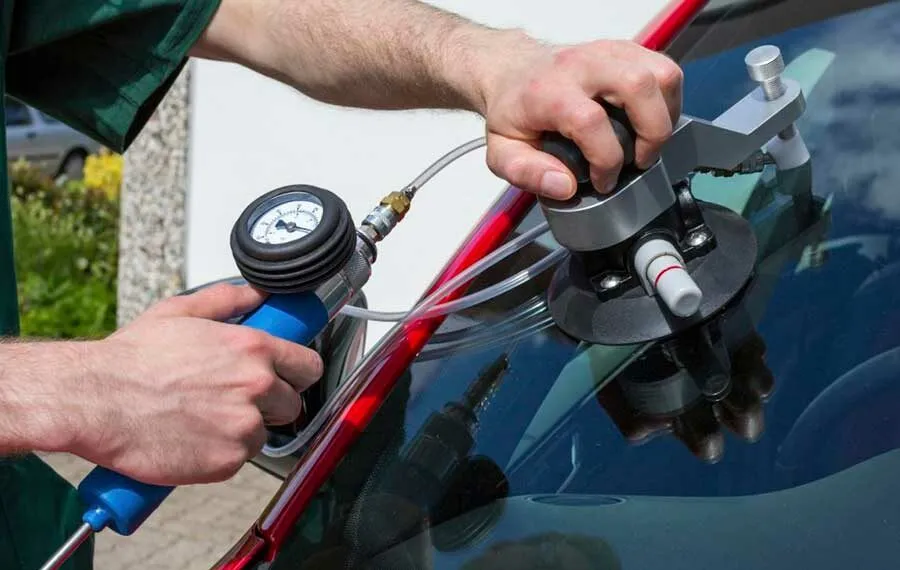
The cost of auto glass replacement varies depending on several factors. Vehicle make and model play a significant role, as luxury and advanced vehicles often require specialized glass. Features such as rain sensors, heads-up displays, and camera systems increase complexity and cost.
The type of glass being replaced also affects pricing. Windshields generally cost more than side windows due to their size and safety role. Labor and installation quality further influence overall expenses.
| Cost Factor | Impact on Price |
|---|---|
| Vehicle type | Standard vs luxury vehicles |
| Glass features | Sensors, tint, or heating elements |
| Installation complexity | Adhesive type and calibration needs |
| Location | Availability of materials and technicians |
Investing in quality auto glass replacement often saves money long term by preventing leaks, sensor issues, and repeated repairs.
Post-Replacement Care and Maintenance
After auto glass replacement, proper care ensures long-lasting performance. Adhesives need time to cure fully, and certain precautions should be followed during this period. Avoid slamming doors, driving on rough roads, or washing the vehicle immediately after installation.
Regular inspection helps identify early signs of issues such as air leaks or moisture intrusion. Keeping the glass clean and free of debris prevents scratches and preserves visibility.
Environmental Impact and Recycling
Modern auto glass replacement practices increasingly focus on sustainability. Many damaged glass components can be recycled, reducing landfill waste. Responsible disposal and recycling of old glass contribute to environmental protection while supporting responsible automotive practices.
Benefits of Timely Auto Glass Replacement

Delaying replacement can worsen damage and increase repair costs. Prompt action prevents cracks from spreading and ensures that safety systems remain functional. Auto glass replacement also preserves vehicle value by maintaining its appearance and structural condition.
Drivers who prioritize timely replacement benefit from improved comfort, reduced noise, and enhanced driving confidence.
Five Key Points to Remember
-
Auto glass replacement restores safety, visibility, and structural integrity
-
Damaged glass can compromise airbag deployment and roof strength
-
Quality materials and proper installation are critical for durability
-
Costs vary based on vehicle type, glass features, and complexity
-
Proper post-installation care extends the life of replacement glass
Conclusion
Auto glass replacement is far more than a cosmetic fix—it is a vital safety measure that protects drivers, passengers, and the vehicle itself. Understanding the causes of damage, recognizing when replacement is necessary, and knowing what the process involves empowers vehicle owners to make smart decisions.
From the moment damage occurs to long-term care after installation, each step plays a role in ensuring reliable performance. By choosing timely and professional auto glass replacement, drivers maintain safety standards, enhance visibility, and preserve the overall value of their vehicles.
Read More:- Discount Auto Glass Solutions: Affordable Repairs, Safety, Value Tips

