
Introduction
The automotive aftermarket plays a crucial role in keeping vehicles safe, reliable, and efficient long after they leave the showroom. Among the most recognizable names in this space is advance auto parts, a brand that has become closely associated with convenience, reliability, and practical automotive knowledge. Understanding how a major auto parts retailer operates helps you make smarter decisions about vehicle maintenance and repair, whether you are a professional technician, a weekend do-it-yourself enthusiast, or a daily driver who simply wants dependable replacement parts.
This guide takes a deep dive into what makes this company important within the automotive ecosystem. From its origins and growth to its extensive product range and customer-focused services, this article explores how the brand supports millions of vehicle owners every year. By the end, you will have a clear picture of how such a retailer fits into modern driving life and why it continues to be a trusted name for automotive solutions.
The Evolution of a Trusted Automotive Retailer

The automotive industry has changed dramatically over the decades, shifting from simple mechanical systems to highly advanced, computer-controlled machines. A successful auto parts retailer must evolve alongside these changes, offering not only parts but also guidance, education, and convenience. Advance auto parts grew by recognizing these needs early and expanding its operations to meet the expectations of both professionals and everyday drivers.
Initially, auto parts stores focused primarily on supplying basic components such as batteries, filters, and belts. Over time, consumer expectations expanded. Drivers wanted access to specialized components, performance upgrades, and trusted advice. Retailers that adapted by expanding inventory, improving supply chains, and training staff gained a competitive edge. The growth of large-scale distribution networks and retail locations helped ensure that customers could quickly access parts when repairs were urgent.
Equally important was the emphasis on customer education. As vehicles became more complex, drivers needed clearer explanations and support. This shift positioned large auto parts retailers as not just stores, but partners in vehicle ownership, helping customers understand what their cars need and why.
Understanding the Automotive Aftermarket
To appreciate the importance of a major auto parts retailer, it helps to understand the broader automotive aftermarket. This term refers to all products and services involved in maintaining, repairing, or enhancing a vehicle after its original sale. It includes replacement parts, accessories, tools, fluids, and even diagnostic equipment.
Within this ecosystem, retailers act as a bridge between manufacturers and consumers. They source components from a wide range of suppliers, ensure quality standards, and make products accessible to customers in convenient locations. For many drivers, visiting a local auto parts store is the first step in solving a vehicle problem, whether that issue is a dead battery, worn brake pads, or a check engine light.
By maintaining a broad inventory and offering knowledgeable assistance, retailers help keep vehicles on the road longer. This not only saves money for consumers but also contributes to sustainability by extending the life of existing vehicles rather than replacing them prematurely.
Product Categories That Matter Most to Drivers
One of the defining strengths of advance auto parts is the breadth of its product selection. A well-rounded auto parts retailer must cater to diverse needs, from routine maintenance to complex repairs. Understanding these product categories helps explain why customers rely on such stores for both everyday and specialized automotive needs.
Maintenance Essentials
Routine maintenance items form the backbone of any auto parts inventory. These include oil and oil filters, air filters, wiper blades, spark plugs, and fluids. Regular replacement of these components helps maintain engine performance, fuel efficiency, and overall vehicle reliability.
Critical Replacement Parts
When major systems fail, drivers need immediate solutions. Items such as brake components, alternators, starters, suspension parts, and cooling system components are essential for safe operation. Having these parts readily available reduces vehicle downtime and repair delays.
Batteries and Electrical Components
Modern vehicles rely heavily on electrical systems. Batteries, sensors, wiring components, and lighting products are crucial not only for starting a vehicle but also for powering safety and convenience features. Reliable access to quality electrical parts is a key reason customers choose established retailers.
Tools and Equipment
For do-it-yourself repairs, the right tools are just as important as the right parts. From basic hand tools to advanced diagnostic devices, tool availability empowers vehicle owners to handle maintenance tasks confidently.
Accessories and Enhancements
Beyond repairs, many drivers enjoy personalizing their vehicles. Accessories such as floor mats, seat covers, lighting upgrades, and exterior styling products allow owners to enhance comfort and appearance while maintaining functionality.
Customer Services That Add Real Value

An auto parts store’s value extends beyond the shelves. The services offered can significantly influence customer satisfaction and long-term loyalty. Advance auto parts has built its reputation in part by focusing on practical services that simplify vehicle ownership.
One key service is battery testing and replacement support. Since battery failure is one of the most common reasons for roadside issues, quick diagnostics and guidance can save drivers time and frustration. Similarly, check engine light diagnostics help customers understand potential issues before committing to costly repairs.
In-store expertise also plays a major role. Trained staff can help customers identify the correct part, explain installation basics, and suggest maintenance intervals. This human element builds trust, especially for customers who may not be confident in their automotive knowledge.
Convenience services, such as order pickup and availability checks, further enhance the experience. When drivers can quickly confirm that a part is in stock and ready, they are more likely to complete repairs efficiently.
The Role of DIY Culture in Automotive Maintenance
Do-it-yourself automotive maintenance has seen a resurgence in recent years. Rising labor costs, access to online tutorials, and improved tool availability have encouraged many drivers to take a more hands-on approach to vehicle care. Retailers like advance auto parts play a central role in supporting this culture by providing not only parts but also the confidence to use them.
DIY maintenance fosters a deeper understanding of how vehicles work. Simple tasks such as changing oil, replacing air filters, or installing new wiper blades can build skills and reduce long-term ownership costs. For more experienced enthusiasts, access to performance parts and specialized tools opens the door to more advanced projects.
Retailers that embrace DIY culture often provide instructional resources, clear labeling, and knowledgeable staff support. This combination reduces the intimidation factor and helps customers succeed in their projects, reinforcing positive experiences and repeat visits.
Professional Support and Fleet Needs
While individual drivers make up a large portion of auto parts customers, professional mechanics and fleet operators also rely heavily on major retailers. Consistency, reliability, and bulk availability are critical for these customers. Advance auto parts addresses these needs by offering professional-grade components and efficient supply solutions.
For repair shops, having a dependable parts source means faster turnaround times and satisfied customers. Fleet operators, such as delivery services or service vehicles, benefit from consistent maintenance schedules supported by readily available parts. This professional focus ensures that the retailer remains relevant across different customer segments.
Technology and Inventory Management
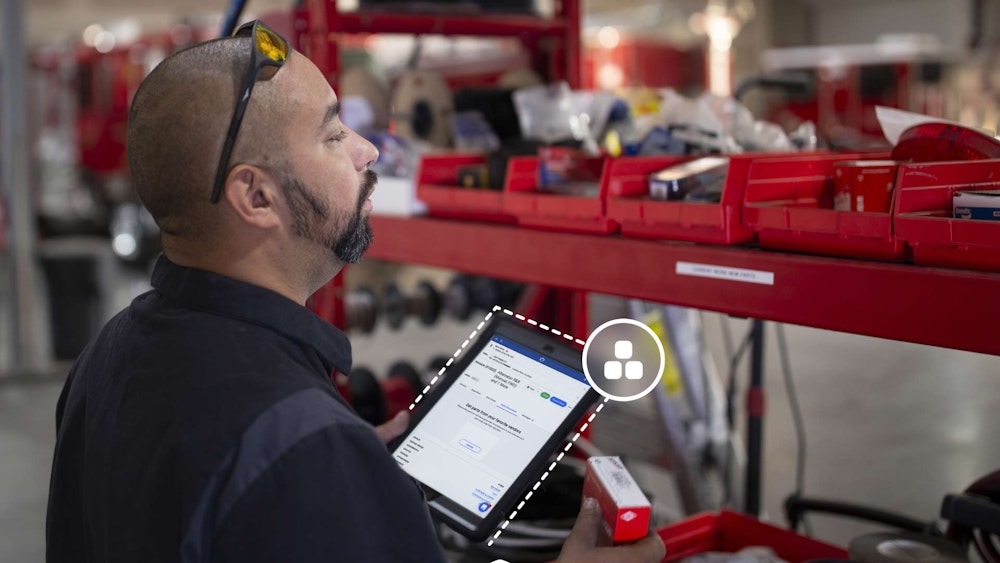
Behind the scenes, modern auto parts retail depends on advanced inventory management and logistics. Accurate stock tracking, demand forecasting, and efficient distribution networks ensure that parts are available when customers need them. This operational strength is a key reason large retailers maintain customer trust.
Technology also enhances the shopping experience. Digital catalogs, compatibility tools, and in-store systems help match parts to specific vehicle makes and models. This reduces errors, saves time, and increases confidence in purchases.
Five Key Reasons Drivers Rely on Major Auto Parts Retailers
-
Wide selection of maintenance, repair, and accessory products for most vehicles
-
Knowledgeable staff who help identify correct parts and explain usage
-
Convenient services that save time during urgent repair situations
-
Support for both DIY enthusiasts and professional mechanics
-
Consistent quality standards that build long-term customer trust
Quality, Reliability, and Brand Trust
In automotive repair, quality matters. A faulty part can lead to breakdowns, safety risks, and additional expenses. Retailers that prioritize quality assurance help protect customers from these issues. Advance auto parts emphasizes trusted brands and tested components, reinforcing its reputation as a reliable source for vehicle needs.
Brand trust is built over time through consistent experiences. When customers repeatedly find the right part, receive helpful advice, and complete successful repairs, confidence grows. This trust becomes especially important during stressful situations, such as unexpected vehicle failures.
Environmental Responsibility and Sustainability
The automotive aftermarket also plays a role in environmental responsibility. Recycling programs for batteries, fluids, and certain components help reduce waste and protect the environment. By encouraging proper disposal and reuse, auto parts retailers contribute to more sustainable vehicle ownership.
Extending the life of vehicles through maintenance and repair also reduces the environmental impact associated with manufacturing new cars. In this way, supporting responsible aftermarket practices benefits both drivers and the planet.
Looking Ahead: The Future of Auto Parts Retail
As vehicles continue to evolve, the role of auto parts retailers will expand further. Electric vehicles, advanced driver assistance systems, and connected technologies will require new types of components and expertise. Retailers that invest in training, inventory adaptation, and customer education will remain essential partners for drivers.
Advance auto parts is positioned within this evolving landscape by combining traditional strengths with modern solutions. Its ability to adapt to changing vehicle technologies while maintaining a customer-first approach will shape its relevance in the years ahead.
Conclusion: Why This Retail Model Endures
The success of advance auto parts reflects a broader truth about vehicle ownership: drivers need dependable support throughout the life of their cars. From routine maintenance to unexpected repairs, having access to quality parts, knowledgeable guidance, and convenient services makes a meaningful difference.
By offering a comprehensive product range, practical services, and a strong focus on customer trust, this type of retailer has become an integral part of the automotive ecosystem. Whether you are maintaining a daily commuter or restoring a long-term project vehicle, understanding how these retailers operate empowers you to make informed, confident decisions about automotive care.
Read More:- NAPA Auto Parts Guide: Quality Auto Components and Service Center

