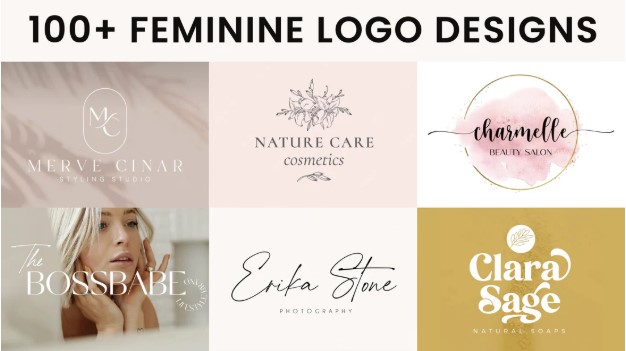
There’s a quiet revolution happening in branding, and it’s being led by women who are tired of fitting into a box. For years, if you wanted a “feminine logo design,” the options felt limited: think script fonts, watercolor washes, and perhaps a delicate floral accent. While beautiful, this aesthetic often told only one story—soft, gentle, and understated.
But what about the female founder who is both intuitive and ambitious? The healer who is also a savvy CEO? The coach whose energy is nurturing but whose goals are meteoric? That’s where the conversation around feminine design is evolving. It’s no longer just about looking pretty; it’s about feeling powerful.
The Shift from “Pretty” to “Potent”
Today’s Feminine Logo Design is less about a specific style and more about a specific energy. It’s about creating a visual identity that holds space for the full spectrum of the modern woman: the compassion and the drive, the softness and the strength. It’s the difference between a logo that simply decorates your website and one that anchors your entire brand story.
Think of it as the visual equivalent of a warm, confident smile—it’s inviting, but it also commands the room. This new wave of design incorporates deeper, richer color palettes, intentional typography that balances elegance with edge, and symbolic imagery that goes beyond decoration to communicate mission and meaning. It’s design with a soul, built for a business with purpose.
Why “Feminine” and “Therapist” Are a Perfect Match
This evolution in design thinking is a game-changer for service-based entrepreneurs, particularly in the wellness and healing arts. For a therapist, a coach, or a holistic practitioner, your brand is often the first step in the healing journey. It’s the digital handshake before the first session.

This is where the concept of Therapist Web Design comes into its own. It’s not just about picking a calming color and calling it a day. Effective therapist web design is an exercise in building trust and conveying safety before a single word is spoken. Your website needs to answer a silent, critical question from potential clients: “Is this a space where I can feel held?”
The Architecture of Trust in Therapist Web Design
Creating a website that feels like a sanctuary requires a thoughtful blend of strategy and soul. It’s about guiding a visitor from curiosity to confidence. Here’s what that looks like in practice:
- A Warm, Intuitive User Experience (UX): Just as a therapist creates a safe container in a session, your website should create a seamless, stress-free experience for the visitor. Navigation should be intuitive. The path to booking a consultation or learning about your services should feel natural and unblocked, not like a maze. Confusing menus or broken links create friction, which is the opposite of the calming energy you want to project.
- Visuals That Whisper, Don’t Shout: Imagery is incredibly powerful. Instead of generic stock photos, authentic, warm photography—whether of you, your calming office space, or even nature scenes that evoke peace—helps visitors form a human connection. This visual authenticity is a cornerstone of modern therapist web design; it shows the real person behind the practice.
- Typography with Feeling: The fonts you choose do more than convey information—they convey emotion. A soft, rounded sans-serif font can feel approachable and modern. Pairing it with a refined, elegant script for headings can add a touch of warmth and personality without sacrificing professionalism. The goal is readability and resonance.
Merging Aesthetic with Action: A Case Study in Alignment
The most successful brands are those where the visual identity and the digital experience are in complete alignment. They don’t just look good; they work hard.
Consider a studio like Zehn, which specializes in branding for holistic businesses and powerful female founders. Their approach beautifully illustrates this merge. They weave meaningful symbols and spirituality into their brand design, creating identities that are not just aesthetically pleasing but deeply resonant. This is feminine logo design at its best—ethereal yet grounded, beautiful yet brimming with strategic intent.
This same philosophy then flows directly into their web development process. They aren’t just building websites; they’re crafting “captivating online experiences.” For a therapist or wellness coach, this means their site becomes more than a digital brochure. It becomes a 24/7 extension of their practice, intuitively guiding potential clients and reflecting the practitioner’s unique energy. The visual identity (the logo, colors, fonts) and the functional space (the website) work in tandem to build a cohesive, trustworthy brand.
Building a Brand That Holds Space for Your Success
Whether you’re a therapist launching a new practice or a coach ready to scale, your brand is your foundation. It’s the energetic footprint you leave in the digital world. By moving beyond outdated notions of what’s “feminine” and embracing design that is both soulful and strategic, you create a brand that doesn’t just represent your business—it actively supports its growth.
When your feminine logo design feels like a true reflection of your power and your therapist web design feels like a welcoming space, you stop spending energy trying to explain who you are. Instead, your brand does the work for you, attracting the clients who are meant to find you. And that’s the kind of effortless growth every founder deserves.

